
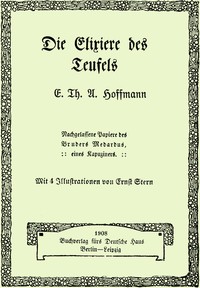
Die Elixiere des Teufels : Nachgelassene Papiere des Bruders Medardus, eines…
Okay, let's set the scene: It's the early 1800s, and Brother Medardus is a monk with a serious case of curiosity. In his monastery's vault lies a legendary bottle of devilish elixir, and against all better judgment, he takes a sip. That one act kicks off a domino effect of chaos. He leaves the monastery, and suddenly, he's being pursued—not just by the law, but by a shadowy figure who looks exactly like him. This double pops up everywhere, ruining Medardus's reputation by committing terrible acts in his place. The story becomes a desperate race to clear his name and figure out who—or what—this imposter really is.
Why You Should Read It
This book is a masterclass in building paranoia. Hoffmann isn't just giving you a spooky ghost story; he's digging into the fear of losing control over your own identity. Is Medardus haunted, or is he simply cracking under guilt and the influence of the elixir? The lines between reality, madness, and the supernatural are deliciously blurred. I love how the atmosphere is thick with dread, but there's also this weird, almost playful darkness to it. You're never quite sure if you should be terrified or laugh at the absurdity of it all.
Final Verdict
This is perfect for anyone who loves classic gothic novels but wishes they had a bit more psychological punch. If you're a fan of stories about doppelgängers, unreliable narrators, and the dark corners of the human mind, you'll feel right at home. It's a demanding read—Hoffmann's style is dense and full of twists—but it's incredibly rewarding. Think of it as the twisted, German cousin to works by Poe or Mary Shelley. Just don't read it right before bed.
This title is part of the public domain archive. Share knowledge freely with the world.
Joseph Taylor
8 months agoI have to admit, the pacing is just right, keeping you engaged. Thanks for sharing this review.





Lisa Thompson
4 months agoVery interesting perspective.