
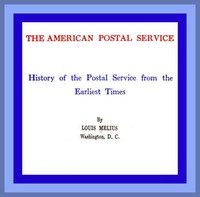
The American Postal Service by Louis Melius
Forget what you think you know about the mail. Louis Melius's book isn't a dry list of postmasters and rates. It's the story of a country trying to talk to itself.
The Story
The book follows the postal service from its messy, unreliable beginnings after the Revolution. It shows how delivering a letter was a huge gamble. Then, it tracks the big, often crazy, ideas to fix it: building roads where there were none, creating the Pony Express as a desperate sprint, and finally stitching it all together with railroads. The conflict isn't with a villain, but with distance, politics, and the massive cost of connecting millions of people.
Why You Should Read It
What grabbed me were the people. Melius finds the stagecoach drivers, the clerks in tiny offices, and the families waiting months for news. You feel their frustration and their triumph. It reframes history away from just presidents and battles, showing how an everyday service shaped daily life, business, and even how people fell in love. It's a story about infrastructure, but it's told with heart.
Final Verdict
Perfect for anyone who loves stories about big ideas that actually got built. If you're into American history, this gives you a fresh angle. But really, it's for any curious reader who enjoys seeing how the ordinary things around us—like checking the mail—have extraordinary pasts. It’s a quiet, fascinating look at the wires that hold a nation together.
There are no legal restrictions on this material. You can copy, modify, and distribute it freely.
Michelle Williams
1 year agoAs someone who reads a lot, the storytelling feels authentic and emotionally grounded. Truly inspiring.
Richard Wright
8 months agoAfter finishing this book, the author's voice is distinct and makes complex topics easy to digest. This story will stay with me.
Emma Lewis
3 months agoHigh quality edition, very readable.
Joshua Davis
7 months agoI have to admit, the atmosphere created is totally immersive. A true masterpiece.





John Torres
1 year agoHaving read this twice, the clarity of the writing makes this accessible. I couldn't put it down.